Human life is the most important gift given by God to unite with the Ultimate Reality. It is upto the mortal to end the continuing journey of births and deaths by meditating on the Name of God.
Death is the cessation of life. It is the ceasing of all functions of life. Death is a fall of mechanism of body by:
- illness,
- accident or
- old age or natural death.
It is the extinction of body and the sense organs. After breathing, heart beat and brain activity stops, the life-force gradually ceases to function in body cells. Death is the antithesis of life. It is recognized as the last passage in the journey of life which is followed by wailing, funeral and mourning with the bereaved to console them.
All normal human-beings know that they will die someday but death is a great mystery. Death is reality and it comes to all whether young or old, rich or poor. Whosoever is born must die. There is fixed time for death. Human being is combination of body, mind and soul. Body is alive if soul is there. If soul is there, the mind, intellect and breath is there. If soul is gone, body is dead. Death can destroy the body but not the soul.
No one knows what death is like. The only thing we know is that death is not like sleep. When we sleep all our bodily functions are active but when a person dies, all bodily functions become inactive.
Guru Nanak Dev says,
“Every one asks for long life and no one wishes to die.”
ਬਹੁਤਾ ਜੀਵਣੁ ਮੰਗੀਐ ਮੁਆ ਨ ਲੋੜੈ ਕੋਇ ॥
(Sri Guru Granth Sahib, p.63)
Death may occur due to various diseases and disorders but life cannot continue without the supply of oxygen to the body. Death may be natural or accidental. No body knows how death takes place and what direction the soul goes.
Death is terror for an ordinary person but people who know true living, do not fear death. Lovers of truth, find bliss in death as it would unite them with the Supreme being.
According to Sikhism, death is the name of forgetting God.
Guru Nanak Dev says,
“If I remember Him, I live; If I forget Him, I die.”
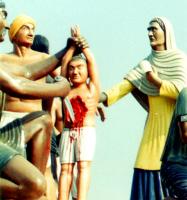
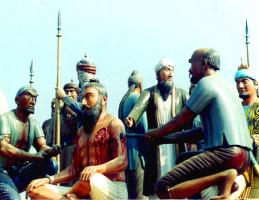
Sikhism stands infallible for the concept of human liberty, equality and fraternity. This concept gave birth to a new thought against privileged heirarchy of elite. From this thought erupted the immense consequences of civil liberties against human oppression in the world. It gave birth to new changes that the sovereignty rested with the people and that the government is merely agent of the people and for the people. The Sikhs felt pleasure in dying for a good cause
Have these Sikh bravos died ? No, they are eternal martyrs.
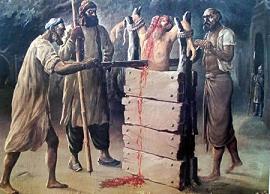
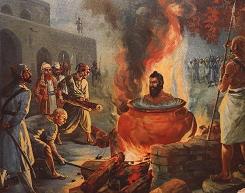
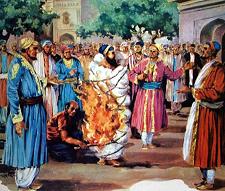
Death Comes to All - Nobody is an exception
“Death is the great secret of life. Don't cry for the dead, their agony is over”.
The whole world is under the sway of death. Death comes to all. Who is born, must die but there is difference between deaths. Death of a Gurmukh results in union with God while the death of a Manmukh puts him in the unending life cycle in the shape of different species.
“Whosoever is born shall die and depart. All shall take their turn”.
ਜੋ ਆਇਆ ਸੋ ਚਲਸੀ ਸਭੁ ਕੋਈ ਆਈ ਵਾਰੀਐ ॥
(474)
All human things are subject to decay
And, when fate summons, monarchs must obey.
Mac Flecknoe. 1.1
Whosoever is born, is destined to die.
ਜੋ ਪਹੁਚੈ ਸੋ ਚਲਣਹਾਰੁ ॥
(789)
Whatever is seen, that all shall vanish, like the shadow of cloud.
O’ slave Nanak, he who knows the world to be unreal abides under Lord’s protection.
ਜਜੋ ਦੀਸੈ ਸੋ ਸਗਲ ਬਿਨਾਸੈ ਜਿਉ ਬਾਦਰ ਕੀ ਛਾਈ ॥
ਜਨ ਨਾਨਕ ਜਗੁ ਜਾਨਿਓ ਮਿਥਿਆ ਰਹਿਓ ਰਾਮ ਸਰਨਾਈ ॥
(219)
Guru Tegh Bahadur says,
Whosoever is born, he must perish today or tomorrow.
ਜੋ ਉਪਜਿਓ ਸੋ ਬਿਨਸਿ ਹੈ ਪਰੋ ਆਜੁ ਕੈ ਕਾਲਿ ॥
(1429)
The sultans and kings, the rich and the mighty, have marched away in succession.
In a moment or two, we shall also depart. O my heart, understand that you must go as well!
ਸੁਲਤਾਨ ਖਾਨ ਮਲੂਕ ਉਮਰੇ ਗਏ ਕਰਿ ਕਰਿ ਕੂਚੁ ॥
ਘੜੀ ਮੁਹਤਿ ਕਿ ਚਲਣਾ ਦਿਲ ਸਮਝੁ ਤੂੰ ਭਿ ਪਹੂਚੁ ॥
(64)
The inevitable must happen. Why do you worry, fret and fume. Trust in God and be at ease.
With whom should I make friendship, the whole world is to perish.
ਕਿਸੁ ਨਾਲਿ ਕੀਚੈ ਦੋਸਤੀ ਸਭੁ ਜਗੁ ਚਲਣਹਾਰੁ ॥
(468)
Rama, king of Ayudhya is gone, Ravana is gone and gone are their families.
Nothing abides, nothing lasts for ever, the world is but an vacuous dream.
ਰਾਮੁ ਗਇਓ ਰਾਵਨੁ ਗਇਓ ਜਾ ਕਉ ਬਹੁ ਪਰਵਾਰੁ ॥
ਕਹੁ ਨਾਨਕ ਥਿਰੁ ਕਛੁ ਨਹੀ ਸੁਪਨੇ ਜਿਉ ਸੰਸਾਰੁ ॥
(1429)
Death comes to all and all must suffer separation.
ਸਭਨਾ ਮਰਣਾ ਆਇਆ ਵੇਛੋੜਾ ਸਭਨਾਹ ॥
(595)
Guru Nanak Dev says in Japji Sahib,
Human being does not have strength to take birth and live as he desires and he does not hold power to die. Birth and death is in the hands of Almighty Lord.
ਜੋਰੁ ਨ ਜੀਵਣਿ ਮਰਣਿ ਨ ਜੋਰੁ ॥
(7)
All shall go to their bridegroom’s house and all shall have ceremonial permanent departure after marriage.
ਸਭਨਾ ਸਾਹੁਰੈ ਵੰਞਣਾ ਸਭਿ ਮੁਕਲਾਵਣਹਾਰ ॥
ਨਾਨਕ ਧੰਨੁ ਸੋਹਾਗਣੀ ਜਿਨ ਸਹ ਨਾਲਿ ਪਿਆਰੁ ॥
(50)
We are men of but one breath and know not the appointed time and moment of death.
ਹਮ ਆਦਮੀ ਹਾਂ ਇਕ ਦਮੀ ਮੁਹਲਤਿ ਮੁਹਤੁ ਨ ਜਾਣਾ ॥
(Dhanasari M 1, p 660)
Bhagat Ravi Das says,
The day which comes, that day shall pass off.
Man must march on, nothing remains stable.
Our companions are going, we too must go.
You have to go far off. Death is hovering over your head.
Awake thou, O silly man, why art thou asleep ?
ਜੋ ਦਿਨ ਆਵਹਿ ਸੋ ਦਿਨ ਜਾਹੀ ॥ ਕਰਨਾ ਕੂਚੁ ਰਹਨੁ ਥਿਰੁ ਨਾਹੀ ॥ ਸੰਗੁ ਚਲਤ ਹੈ ਹਮ ਭੀ ਚਲਨਾ ॥ ਦੂਰਿ ਗਵਨੁ ਸਿਰ ਊਪਰਿ ਮਰਨਾ ॥ ਕਿਆ ਤੂ ਸੋਇਆ ਜਾਗੁ ਇਆਨਾ ॥ ... (793)
None of the kings and nobles, nor any of the poor, the rich and beggars is to stay here.
When comes one's turn, then no one remains stable here. Everyone has to leave this world.
ਰਾਣਾ ਰਾਉ ਨ ਕੋ ਰਹੈ ਰੰਗੁ ਨ ਤੁੰਗੁ ਫਕੀਰੁ ॥
ਵਾਰੀ ਆਪੋ ਆਪਣੀ ਕੋਇ ਨ ਬੰਧੈ ਧੀਰ ॥
(936)
We know that death comes to all but why we are so much for saving our life which must end one or the other day. When death is end of everything why should not a mortal overcome it through Nam Simran(meditating on the name of God). He must leave everything which is meaningless and attain ultimate goal to seek unity with the Supreme Soul.
Remember that death is awaiting you at every moment. Never fail to fulfil your duties. Have pure conduct so that you are welcomed in the divine court.
Why you say, “this is mine, that is mine”. Seek the Lord who gave you. You must assuredly die and leave behind a hundred thousand and millions of money.
ਮੇਰੀ ਮੇਰੀ ਕਿਆ ਕਰਹਿ ਜਿਨਿ ਦੀਆ ਸੋ ਪ੍ਰਭੁ ਲੋੜਿ ॥
ਸਰਪਰ ਉਠੀ ਚਲਣਾ ਛਡਿ ਜਾਸੀ ਲਖ ਕਰੋੜਿ ॥
(50)
The mortal come naked, they depart naked and in between they make ostentations (Pompous display).
ਆਵਹਿ ਨੰਗੇ ਜਾਹਿ ਨੰਗੇ ਵਿਚੇ ਕਰਹਿ ਵਿਥਾਰ ॥
(1238)
Guru Nanak Dev says,
Profitable is the dying of the brave persons, whose death is approved by the Lord.
ਮਰਣੁ ਮੁਣਸਾਂ ਸੂਰਿਆ ਹਕੁ ਹੈ ਜੋ ਹੋਇ ਮਰਹਿ ਪਰਵਾਣੋ ॥
(580)
Why death comes prematurely
Guru Arjan Dev says,
Just as the peasant sows his crop and harvests it whether ripe or unripe, in a similar way the sickle of death does not care for a human being at any age, whether old or young.
ਜੈਸੇ ਕਿਰਸਾਣੁ ਬੋਵੈ ਕਿਰਸਾਨੀ ॥
ਕਾਚੀ ਪਾਕੀ ਬਾਢਿ ਪਰਾਨੀ ॥
(375)
Who owns our Soul and Life?
The soul and life is owned by God and why should we forget Him.
ਜਿਸ ਕੇ ਜੀਅ ਪਰਾਣ ਹਹਿ ਕਿਉ ਸਾਹਿਬੁ ਮਨਹੁ ਵਿਸਾਰੀਐ ॥ (474)
Philosophy of Death
It is story of a woman in ancient India whose son had died. She walked from place to place wailing, crying and weeping; asking for help to bring her son back to life. Arriving at place of a saint, she asked the saint to help her out who said, “Don't worry, leave your son here and go out and find a mustard seed from a house that has not experienced death. When you bring it back, I can help you”. The woman searched from house to house, but each had experienced death. She finally realized what the saint meant. She turned to religion to find answers to her questions. She understood, “Death is natural, whosoever is born, must die”.
Mourning and Wailing after death is not appreciated in Sikhism
After the death, the near ones weep and cry. There is Siapa. The Gurmat does not favor the decoration of the pyre of dead body, burning of Chandan wood and performance of un-necessary rites and rituals.
According to Sikh Reht Maryada, when some one shuffles the mortal coil, the survivors must not grieve or raise a hue and cry or indulge in breast beating. To induce a mood of resignation to God's will, it is desirable to recite Gurbani or repeat “Waheguru”.
After death wailing, crying and fainting are common. Excessive show of grief is contrary to the Sikh teachings. Weeping, crying, Siapa or wailing is prohibited in Sikhism. However, in certain cases weeping, crying or wailing is seen as an expression of grief. Sometimes it is considered to be therapeutic as it prevents internalization of grief.
Grief is expressed across various cultures in differing ways keeping in view age, sex and socio-economic status. Males cry less than females in all cultures. Biologic differences including hormones, cognition and the structure of the lacrimal system in each sex can account for different levels of grief and its expression. Sikhism recommends that spiritual and emotional consolation in grief must be found through singing or listening of Shabad Kirtan and by reciting Gurbani. The emphasis is made on Nam Simran (meditation).
Death Ceremony
Whosoever is born must die. one day. This is the universal principle. Death is sorrowful for an ordinary and worldly person but it is a bliss to a Gurmukh in Sikhism.
Kabir says,
“the death which frightens the world, gives me bliss. It is the death which is blessed with the supreme bliss and it is in death that one can unite with God”
ਕਬੀਰ ਜਿਸੁ ਮਰਨੇ ਤੇ ਜਗੁ ਡਰੈ ਮੇਰੇ ਮਨਿ ਆਨੰਦੁ ॥
ਮਰਨੇ ਹੀ ਤੇ ਪਾਈਐ ਪੂਰਨੁ ਪਰਮਾਨੰਦੁ ॥
(1365)
In Sikhism, weeping, crying, lamentation and breast beating is prohibited as it is considered to be against the will of God.
If it is apprehended that a person is not likely to live, the family members are notified of the serious condition. On death of a person in the family, friends and relatives are informed of the mishap. In India, where there is no arrangement for treatment of miasma of the dead body, it is cremated as early as possible so that dead body does not stink. At other places, the day, time and place of funeral is fixed and all the concerned are advised to join the cremation ceremony.
There is no prescribed ritualistic ceremony to be performed on death. However hymns are recited after the death. On the day of funeral, the dead body is bathed and dressed in new clothes. It is wrapped on the wooden frame named Arthi and taken to funeral ground (Shamshan Ghat) in a procession. The sacred hymns are sung in the procession. Ardas is performed in the Shamshan Ghat before pyre is lit. According to tradition, the eldest son or other nearest relation of the deceased shows fire to the pyre. The congregation sits and recites hymns. Kirtan Sohila is recited and Ardas is performed. The ashes are collected later on and disposed of in water. There is a rare tradition in some cases to flow the dead body in running water.
The ceremonies are normally performed to mark the event and ease the family way for the fhe family to deal with the loss, emotional pain, tragedy and sufferings. The berieved family is sometimes not prepared to deal with the loss of death of a loved one.The ceremonies enable relatives and friends to share their grief and sufferings with each other and thus the ritual becomes meaningful also.
In Western world, crematorium is booked and the dead body is offered to electrical or gas crematorium oven.
After funeral, the congregation goes to Gurdwara for supplication. Sometimes, the congregation goes to the house of the deceased to console the family. People continue pouring into the house of the bereaved family for condolence. Akhand Path or Khullah path is performed in memory of the dead person. Kirtan is performed after the Bhog and free langar is offered as per practice and tradition. The donations are made by the family for community purposes.
According to tradition, if the death is of the head of the family, then eldest son is recognized as the new head in presence of the community by having a turban tied on his head. Shradhs are not permitted in Sikhism.
After the death of Guru Amar Das, his grandson Sunder Das wrote an account about the death ceremony:
In the end the True Guru said, “after me, sing the praise of Pure Lord, alone. Call in only saints of the Lord of beauteous hair, instead of Pandit and read God’s gospel instead of Puran. Read only the God’s gospel, hear only the God’s Name. The Guru likes the Lord’s love, instead of lofty bier, barley rolls, food on leaves, Hindu funeral rites, lamps and throwing the bones into the Ganges.” The True Guru spoke, as it pleased God and he got blended with God, the Omniscient Lord.
ਅੰਤੇ ਸਤਿਗੁਰੁ ਬੋਲਿਆ ਮੈ ਪਿਛੈ ਕੀਰਤਨੁ ਕਰਿਅਹੁ ਨਿਰਬਾਣੁ ਜੀਉ ॥
ਕੇਸੋ ਗੋਪਾਲ ਪੰਡਿਤ ਸਦਿਅਹੁ ਹਰਿ ਹਰਿ ਕਥਾ ਪੜਹਿ ਪੁਰਾਣੁ ਜੀਉ ॥
ਹਰਿ ਕਥਾ ਪੜੀਐ ਹਰਿ ਨਾਮੁ ਸੁਣੀਐ ਬੇਬਾਣੁ ਹਰਿ ਰੰਗੁ ਗੁਰ ਭਾਵਏ ॥
ਪਿੰਡੁ ਪਤਲਿ ਕਿਰਿਆ ਦੀਵਾ ਫੁਲ ਹਰਿ ਸਰਿ ਪਾਵਏ ॥
(923)
This was a clear departure from the Hindu social practices. There is no doubt that if the Guru had desired the Hindu practices to be continued at the time of his own death, he should have suggested them during his life time, to be followed by his Sikhs as well.
For more reading,
- Funeral Ceremonies from the Sikh Rehat Maryada .