In popular terminology, the Guru stands for one who is preceptor, enlightener, dispeller of darkness, master, or a teacher of spiritual wisdom. Guru is Jot. Guru is messenger of God, a Divinely prophet, commissioned for a spiritual mission but Guru is not God in human form. Guru is divinely inspired revealer who reveals the Word of God. Guru is a vital link in man's spiritual progress. He is teacher who shows the way of truth. Guru is a Being who has full knowledge of God. He is benevolent like God and has no enmity with anyone. He imparts true knowledge and guides people to remember Name of God. He is ocean of Truth and flood of knowledge.
Guru has great significance in Sikh religion, it denotes the spiritual teacher and precepter with spiritual knowledge who shows way towards God. Guru is used for God, Shabd or Word also
"Gurbani is the Divine Light in this world. Through God's Grace, it abides in mortal's mind."
ਗੁਰਬਾਣੀ ਇਸੁ ਜਗ ਮਹਿ ਚਾਨਣੁ ਕਰਮਿ ਵਸੈ ਮਨਿ ਆਏ ॥
(67)
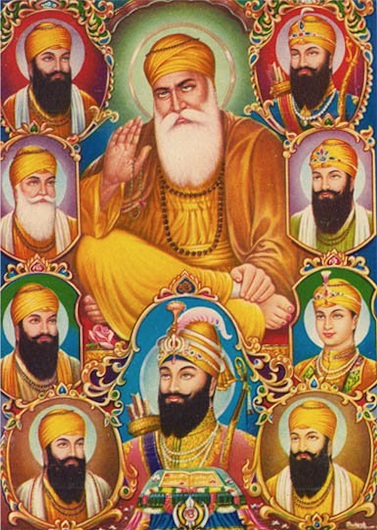
In Sikhism, great emphasis is laid on the role of Guru who is a perfect prophet or a messenger of God and in whom the Light of God shines fully, visibly and perfectly (Japji: Meditation In Sikhism by Swami Rama Page 14). The place of Guruhood is given to those who have realized the Ultimate Reality. Guru is the holiest of all the titles and is applied to the Ten Gurus, Sri Guru Granth Sahib and Guru Roop Sangat.
Literally, Guru means high, heavy, great teacher, master, Enlightened, God's Voice, or spiritual preceptor. Guru means one who leads people from darkness to light. It may refer to human teacher or God.
Guru is combination of two words GU and RU. Gu means the darkness or ignorance. Ru means remover or the light of knowledge: So Guru is remover of darkness and revealer of Light. That knowledge which dispels the darkness of ignorance is Guru. Guru is spiritual guide and God cannot be obtained without the Guru. Guru is spiritual precepter who himself has experience with the Light of God and who leads mankind to the Path of that Light so that they can develop their spiritual faith.
The necessity of Guru has been felt in all the ages to realize God. In every day life, we need assistance of a guide to show us the right path. According to Guru Nanak Dev, the Guru deserves the highest and supreme elevation in the Sikh hierarchy.
The word Guru is used in three senses.
- When we talk of Guru as God then it means that Guru is not a person. Guru is Wonder of wonders. He is Infinite. He is Eternal and Formless One. Guru is God Himself and He dwells in the heart of every one. Those who have realized God are one with Him.
-
Guru is the Word or Shabad. He is Divine Voice within.
There is no difference between Guru and God.
Guru Nanak Dev says,"The Word is the Guru and the mind continually is the disciple.
Shabad Guru surat dhun chela.
ਸਬਦੁ ਗੁਰੂ ਸੁਰਤਿ ਧੁਨਿ ਚੇਲਾ ॥
(943)The Shabad embodied in Sri Guru Granth Sahib is the Guru eternal of the Sikhs and every thing has to be tested on this touchstone of Gurbani. Whatever is not approved by Gurbani is not accepted in Sikhism. Guru stands for Shabad and not for personal Guru.
Guru Ram Das says,
"Gurbani is the embodiment of the Guru and Guru is the embodiment of the Gurbani. In the word, is the essence of ambrosia."
Bani Guru, Guru Hai Bani.
ਬਾਣੀ ਗੁਰੂ ਗੁਰੂ ਹੈ ਬਾਣੀ ਵਿਚਿ ਬਾਣੀ ਅੰਮ੍ਰਿਤੁ ਸਾਰੇ ॥
ਗੁਰੁ ਬਾਣੀ ਕਹੈ ਸੇਵਕੁ ਜਨੁ ਮਾਨੈ ਪਰਤਖਿ ਗੁਰੂ ਨਿਸਤਾਰੇ ॥
(982) - However, in Sikhism this honorific word has been used for God and also for the ten Masters starting from Guru Nanak Dev Ji to Guru Gobind Singh and the Holy Scripture Sri Guru Granth Sahib. Sri Guru Granth Sahib is the spiritual guide of the Sikhs. It is the direct revelation of Word which came to Guru Nanak Dev and he communicated it to the succeeding nine Gurus. In 1708, Guru Gobind Singh before his physical departure from this world terminated human succession to the office of Guru and conferred the Guruship on Adi Granth, now called Sri Guru Granth Sahib. The Sikh congregation assembled for a religious solemn ceremony is also called Guru Roop Sadh Sangat.
In Sri Guru Granth Sahib, Guru is generally referred to both God and human Guru, but mostly to God. According to Max Arthur Macauliffe ( The Sikh Religion Vol-1 Page 4 ) Guru means great. Here it stands for God. In secondary sense, Guru is a messenger of God and not God in human form. He is love, pure, sinless and Divine. Guru is the messenger of God in whom His light shines visibly and completely. Guru though in human form, is godly and divine in spirit. God speaks to humanity through him. Guru is commissioned by God to reveal His Truth to the human beings. Guru is divine teacher who imparts knowledge and guides the devotees on the path to attain unity with God Almighty. According to Sikhism, the union with God can be attained with guidance of the Guru. God calls the Guru His son, His image and His own self.
ਮੈਂ ਅਪਨਾ ਸੁਤ ਤੋਹਿ ਨਿਵਾਜਾ ॥
(Guru Gobind Singh Dasam Granth P-57)
"God has installed His spirit in the Guru and through him God reveals Himself."
ਸਤਿਗੁਰ ਵਿਚਿ ਆਪੁ ਰਖਿਓਨੁ ਕਰਿ ਪਰਗਟੁ ਆਖਿ ਸੁਣਾਇਆ ॥
(466)
Do the Sikhs worship photos as Guru ?
The Sikhs worship God and nothing else. They worship Shabad as enshrined in Sri Guru Granth Sahib.The Sikhs do not worship pictures or photos. The photos are used for identity, information and as media of education. The mode of Sikh worship consists in reciting or singing hymns in praise of God from Sri Guru Granth Sahib. The modes include Kirtan, Path, Simran and Ardas. It does not mean blind rites and rituals.
As and when or where "Murat" shabad is used in Sri Guru Granth Sahib, it does not mean physical body, picture or photo of any human being but as "Akal Murat", as Shabad or as Shabad Guru.
Bhai Gurdas says,
In fact the physical body of the Guru is "Word" or "Shabad"
ਗੁਰ ਮੂਰਤਿ ਗੁਰ ਸਬਦੁ ਹੈ -----
(Bhai Gurdas Var 24.25)
Birth, installation and eternal rest places of the Sikh Gurus
| Name | Birthplace (Date) | Installation | Place of eternal rest (Date) | |
| 1 | Guru Nanak Dev Ji | Nankana Sahib (15-4-1469*) |
Since birth | Kartarpur (7-9-1539) |
| 2 | Guru Angad Dev Ji | Mate Di Sarai (31-3-1504) |
7-9-1539 | Khadur (29-3-1552) |
| 3 | Guru Amar Das Ji | Basarke (05-5-1479) |
29-3-1552 | Goindwal (1-9-1574) |
| 4 | Guru Ram Das Ji | Chuna Mandi Lahore (24-9-1534) |
30-8-1574 | Goindwal (1-9-1581) |
| 5 | Guru Arjan Dev Ji | Goindwal (15-4-1563) |
31-8-1581 | Lahore (30-5-1606) |
| 6 | Guru Hargobind Sahib Ji | Guru Ki Wadali (19-6-1595) |
25-5-1606 | Kiratpur (2-3-1644) |
| 7 | Guru Har Rai Ji | Kiratpur (16-1-1630) |
3-3-1644 | Kiratpur (6-10-1661) |
| 8 | Guru Har Krishan Ji | Kiratpur (7-7-1656) |
6-10-1661 | Delhi (30-3-1664) |
| 9 | Guru Tegh Bahadur Ji | Amritsar (1-4-1621) |
30-3-1664 | Delhi (11-11-1675) |
| 10 | Guru Gobind Singh Ji | Patna Sahib (22-12-1666) |
11-11-1675 | Nanded (7-10-1708) |
Sri Guru Granth Sahib, compiled by Guru Arjan Dev, was installed by him at Sri Harmandar Sahib Amritsar, on August 16, 1604. Guru Gobind Singh conferred eternal Guruship on Granth Sahib on October 6, 1708 at Sri Hazoor Sahib, Nanded.
(* The earlier Janam Sakhis such as Puratan and Meharban give April 15, 1469 as the date of birth. So do the Janam Sakhis by Bhai Mani Singh and Mehma Prakash. Bhai Santokh Singh's "Nanak Prakash" supports Katik Punian and gives the age of the Guru at his death as seventy years, five months and seven days which if worked backwards brings the date of Guru's birth approximately to mid April. Bhai Karam Singh in his book Katik Ke Baisakh (November or April) published in 1912 cogently discussed this point. Even scholars like Bhai Vir Singh, Bhai Jodh Singh, Bhai Kahan Singh Nabha corroborate with Bhai Karam Singh and almost all books on Sri Guru Nanak Dev since then accept Baisakh or April as the date of birth, but invariably, the tradition of observing the birth anniversary in Kartik or October-November continues throughout the world.)
Briefs of the teachings and Divine attributes
Guru Nanak Dev preached the concept of love, humility, compassion, selfless Sewa, social welfare, moral, social and spiritual values. He preached the sermon of human liberty, equality and fraternity. Guru Nanak Dev emphasised, "truth is higher but higher still is truthful living". His strong belief was in One God. He emphasised on universal brotherhood, universal peace and prosperity and Sarbat Da Bhala.
Guru Angad Dev ji preached the sermon of obedience through submission before the Will of God. He emphasised on the development of human personality as a whole with healthy mind and strong body. He offered the improved version of Gurmukhi alphabet and established centres for its learning. He empasised on education.
Guru Amar Das preached the sermon of harmony, compassion and human equality. He added vigour to human dignity and free community kitchen on equality basis. He insisted on service to God and mankind.
Guru Ram Das emphasised the concept of selfless service to the humanity without any consideration of caste, colour, creed, gender and country. He put stress on high thinking and simple living. He gave the gift of "Four Lawan" to attain unity with God. He excavated the pool of Harmandar Sahib.
Guru Arjan Dev was embodiment of supreme sacrifice and peace. He inaugurated Adi Granth by installing it at newly built Sri Harmandar Sahib at Amritsar. He emphasised on Nam Simran.
Guru Hargobind Sahib was a great saint-soldier who taught us to fight for justice. He gave the concept of Miri and Piri by wearing two swords of spiritual and temporal sovereignty. He built Sri Akal Takht Sahib at Amritsar Sahib.
Guru Har Rai complimented mercy, simplicity and maintained the sanctity of Gurbani.
Guru Har Krishan valued human piety and purity. He provided selfless service to humanity and cured people of physical and mental diseases.
Guru Tegh Bahadur symbolised calmness, tranquility and detachment by sacrificing his life for religious freedom of all human beings.
Guru Gobind Singh inaugurated the Order of Khalsa founded by Guru Nanak Dev Ji. He preached the concept of liberty, equality, fraternity, self defence and self-sacrifice for glory of righteousness. He examplified the ideal of Saint-soldier by adding courage, strength and compassion. He gave the gift of Shabad Guru to the Sikhs (Jagd-Jot) as enshrined in Sri Guru Granth Sahib.
Guru Gobind Singh writes in Zafarnama:
"When all efforts to restore peace prove useless and no words avail,
Lawful is the flash of steel then, and right is the sword to hail."
ਚੁ ਕਾਰ ਅਜ਼ ਹਮਹ ਹੀਲਤੇ ਦਰ ਗੁਜ਼ਸ਼ਤ ॥
ਹਲਾਲ ਅਸਤੁ ਬੁਰਦਨ ਬ ਸ਼ਮਸ਼ੇਰ ਦਸਤ ॥
(The Epistle of Victory, 1390, Dasam Granth)
It is said in Bachittar Natak that if at all you have to go to war, go fearlessly and fight with courage for a good cause.
"When the arrow struck me
The War Spirit in me was strengthened."
ਜਬੈ ਬਾਣ ਲਾਗੈ ॥
ਤਬੈ ਰੋਸ ਜਾਗਿਯੋ ॥
(Bachittar Natak; Dasam Granth pt-1, p.62)
Through a process for 239 years, the Sikh Gurus taught that human life was not to be wasted in the worldly pleasures but it should be utilised in a way which pleases God and unites the mortal with Eternal Lord.